
US defence policy in the Indo-Pacific focuses on deterring China, but India appears largely overlooked in strategic planning.
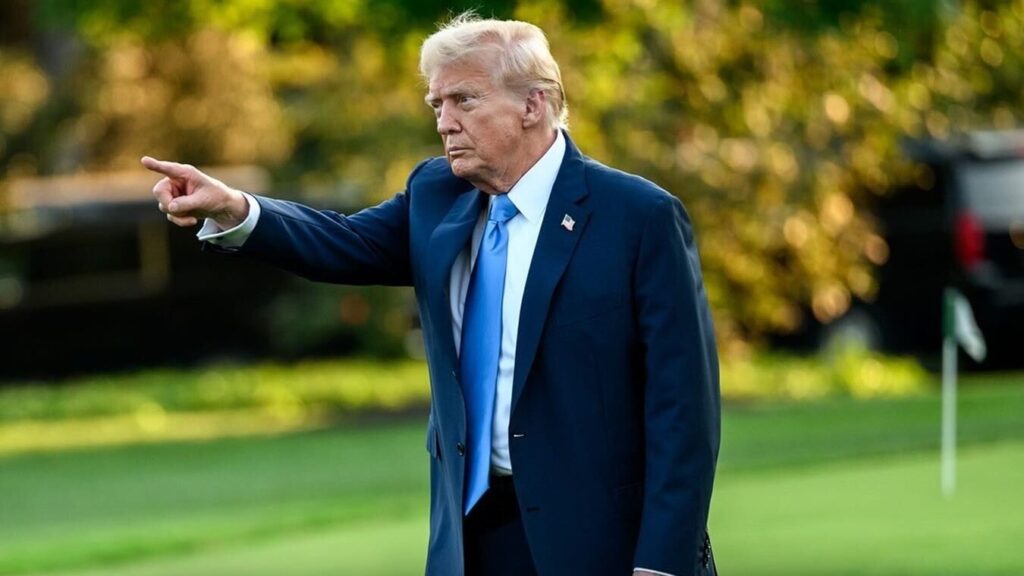
America just released its National Defence Strategy for 2026 on Saturday. The 24-page document outlines how the US plans to handle China’s rise. Surprisingly, India doesn’t get a single mention anywhere in the entire strategy. This silence speaks volumes given the current tensions between Washington and New Delhi.
The Trump administration wants to counter China “through strength, not confrontation” reportedly. But skipping India while discussing Indo-Pacific security seems like a deliberate snub. Previous US strategies highlighted a partnership with India to balance China’s growing power. That approach appears dead now amid worsening bilateral relations between the two nations.
“In the Indo-Pacific, where our allies share our desire for a free and open regional order, allies and partners’ contributions will be vital to deterring and balancing China,” the NDS said.
The China Strategy Explained
China’s military buildup in the Indo-Pacific worries American defence planners constantly these days. The region represents the world’s largest and most dynamic market area. US security, freedom, and prosperity all depend on keeping this region stable. China’s rapid military expansion threatens that balance according to Washington’s assessment.
The strategy focuses on allies who want a free and open regional order. Treaty unions with Japan, South Korea, Australia, Philippines, and Thailand are emphasised heavily. These countries must grow their security duties to help contain Chinese influence. Notice India isn’t listed among these key partners anymore at all.
President Trump wants “stable peace, fair trade, and respectful relations” with China. He’s open to talking directly with President Xi Jinping face-to-face. But negotiations must happen from positions of strength rather than weakness. The US plans to expand military communications with China’s PLA for stability purposes.
The goal isn’t dominating, strangling, or humiliating China according to the document. America just wants to prevent any nation from dominating them or their allies. This balance of power approach aims for “decent peace” in the region. The strategy commits to a “strong denial defense” along the First Island Chain.
“Our goal in doing so is not to dominate China; nor is it to strangle or humiliate them. Rather, our goal is simple: To prevent anyone, including China, from being able to dominate us or our allies – in essence, to set the military conditions required to achieve the NSS (National Security Strategy) goal of a balance of power in the Indo-Pacific that allows all of us to enjoy a decent peace,” NDS said.
Why India Got Snubbed
US-India relations have crashed hard recently over multiple issues piling up simultaneously. Trump shockingly slapped a brutal 50% tariff on Indian goods last August. Half that tariff punishes India for buying Russian oil despite American objections. Washington keeps pressuring New Delhi to cut all Moscow ties completely.
Tighter H-1B visa rules now limit Indian professionals’ access to American jobs. India skipped the Quad leaders’ summit last year amid these mounting tensions. PM Modi met Trump, Japanese, and Australian leaders individually instead of together. The tactful snub sent clear signs about India’s stand on US policies.
December’s National Security Strategy urged improving commercial relations with India though confusingly enough. That document wanted to bolster India’s Indo-Pacific security contributions through Quad cooperation. It talked about aligning allies against domination by any single competitor, meaning China.
But the new defence strategy completely ignores India by suggesting a major policy shift. Previous administrations viewed India as crucial for balancing China’s regional ambitions successfully. Trump’s team apparently doesn’t see India that way anymore, given the current disputes. The omission reflects how quickly geopolitical partnerships can sour over trade and policy.
India’s strategic autonomy frustrates Washington. That wants clear alignment against China always. New Delhi refuses to choose sides by preferring to maintain relationships with everyone including Russia. This independent streak doesn’t fit America’s binary friend-or-foe worldview in geopolitics. So India gets left out of defence planning despite its massive military capabilities.
The silent treatment might push India closer to other partnerships outside US influence. Or it could force New Delhi to reconsider its balancing act between major powers. Either way, this omission marks a significant moment in Indo-Pacific security dynamics shifting.
Keep visiting The Ganga Times for such beautiful articles. Follow us on Facebook, Twitter, Instagram, and Koo for regular updates.